Organization of Afro-American Unity (OAAU) 1965
This Strategic Briefing explores the history and potential modern-day revival of the Organization of Afro-American Unity (OAAU), founded by Malcolm X in 1964. It examines how a secular, Pan-African institution aimed to bridge the gap between 22 million African Americans and the African continent to achieve global political power.
ECONOMIC, EDUCATIONAL, JUSTICE, & POLITICAL SOVEREIGNTY | PAN AFRICAN HISTORY
The Black Metrics
11/16/20254 min read
The Architecture of Global Agency: Could the OAAU Thrive in 2026?
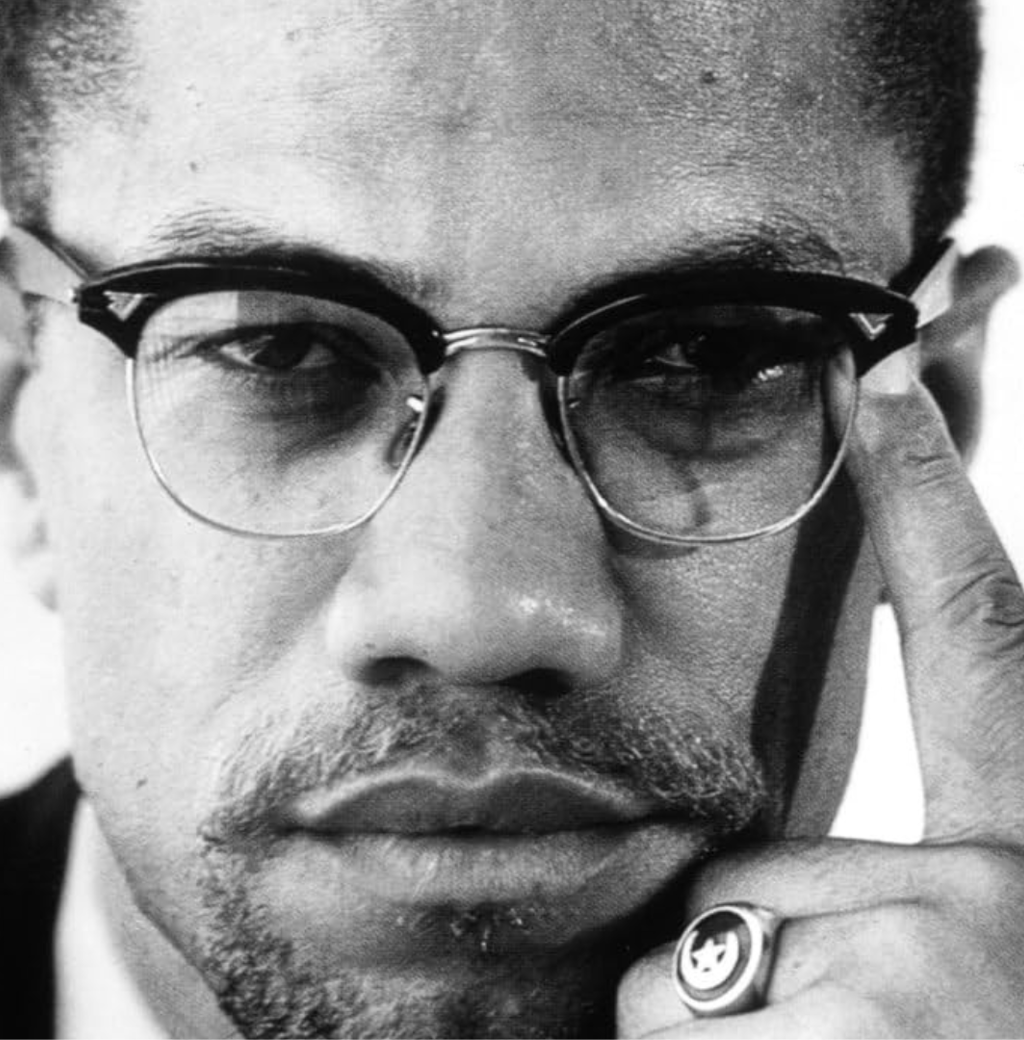
On June 24, 1964, shortly after his transformative pilgrimage to Mecca, Malcolm X founded an organization that sought to shift the struggle for dignity from a domestic protest to an international movement. Alongside John Henrik Clarke and other prominent advocates for self-determination, he established the Organization of Afro-American Unity (OAAU).
The OAAU was not merely a social club. It was a secular, political institution based in Harlem, modeled after the newly formed Organization of African Unity (OAU) in Ethiopia. Its mission was breathtaking in scope: to unify 22 million African Americans with the 300 million people on the African continent. Malcolm X envisioned a world where the diaspora functioned as a sovereign global bloc, even seeking official representation for Black Americans within the OAU itself.
The Five Fronts of the Basic Unity Program
Malcolm X was adamant that the progress of Black Americans was inseparable from the independence of African nations. To bridge this gap, the OAAU developed the Basic Unity Program, a rigorous blueprint for community uplift centered on five strategic pillars. In 2026, these pillars offer a fascinating lens through which to view modern challenges.
Restoration: This involved the psychological and cultural healing of a people whose history had been obscured. It aimed to restore the broken ties between the diaspora and their ancestral roots.
Reorientation: This was a call for a new way of thinking. The OAAU rejected terms like "integration" in favor of "self-determination." They believed that until a community defined itself, it could never be free.
Education: The OAAU proposed independent, Black-run educational systems. They argued that schools managed by the community would prioritize the specific cultural and economic needs of that community.
Economic Security: This focused on keeping capital within the neighborhood. By owning the stores, the housing, and the banks, the community could create a self-sustaining ecosystem.
Self-Defense: Malcolm X famously insisted that if the state was unable or unwilling to protect its citizens, those citizens had the moral and legal right to defend themselves.
A Vision Cut Short: The 1965 Transition
Tragically, the OAAU was never allowed to reach its full potential. Following the assassination of Malcolm X on February 21, 1965, the organization lost its primary strategist. While his half-sister, Ella Collins, fought valiantly to keep the vision alive, the movement eventually faded.
However, the DNA of the OAAU did not disappear. It became the intellectual foundation for the "Black Power" movements of the late 1960s and 1970s. It shifted the conversation from asking for civil rights to demanding human rights.
The Statistics of the Modern Diaspora
To understand if the OAAU could thrive in 2026, we must look at the current scale of the global diaspora. Today, there are approximately 48 million Black people in the United States alone. Globally, the African diaspora consists of over 200 million people outside of the continent, with over 1.4 billion people on the continent itself.
In 2026, the combined purchasing power of Black Americans is estimated to exceed $1.9 trillion. Despite this massive economic footprint, many of the structural issues Malcolm X identified remain. The wealth gap continues to persist, with the median net worth of white households remaining roughly eight times higher than that of Black households. This data suggests that the "Economic Security" pillar of the OAAU is more relevant now than it was sixty years ago.
The Question for 2026: Is the OAAU’s Time Now?
In a world defined by digital connectivity and global trade, the OAAU’s vision of a "transnational bloc" is technologically possible in ways Malcolm X could only dream of.
Global Coordination: Instead of physical meetings in Harlem, a modern OAAU could operate as a Decentralized Autonomous Organization (DAO), allowing millions of members across Brazil, Nigeria, the UK, and the US to vote on shared political priorities.
The Five Fronts Today: "Education" in 2026 could mean community-owned tech bootcamps. "Economic Security" could involve a diaspora-wide credit union or digital currency.
The OAAU insisted on Black-run institutions and rejected outside financial support to ensure that the agenda remained pure. In 2026, when corporate "performative" support often complicates grassroots goals, this principle of total autonomy remains a provocative and powerful strategy.
Recommended Reading List
To dive deeper into the strategy and philosophy of the OAAU, these texts are essential:
The Autobiography of Malcolm X by Malcolm X and Alex Haley: The definitive account of his evolution and the motivations behind the OAAU.
Malcolm X: The Last Speeches edited by Bruce Perry: A collection that captures his focus on international human rights in the final months of his life.
A Brilliant Victory for African Unity by John Henrik Clarke: An exploration of the connection between the OAAU and the continental African movements.
By Any Means Necessary by Malcolm X: A collection of speeches and interviews that detail the specific "Basic Unity Program" of the OAAU.
Community Discussion (The Bantaba)
Which of the five pillars (Restoration, Reorientation, Education, Economic Security, or Self-Defense) do you believe is the most critical for community progress in 2026?
Malcolm X argued that "Civil Rights" keep you under the thumb of the state, while "Human Rights" put you on the world stage. Does this distinction still hold value today?
How would a modern OAAU handle the diversity of the diaspora, including different languages, religions, and national identities?
In an era of globalism, is the OAAU’s rule of "no membership for non-African sources" an effective way to maintain focus, or does it limit the movement’s reach?
If you were tasked with launching a digital version of the OAAU today, what would be the very first "Economic Security" project you would fund?
THE BLUEPRINT
Building the future of the global African Diaspora through data-driven storytelling and the Eight Pillars of Sovereignty. From survival to ownership.
Contact
Subscribe To the NewsLETTER
hello@blackmetrics.space
Copyright © 2026 The Black Metrics. All Rights Reserved.
The BlaCK METRICS